

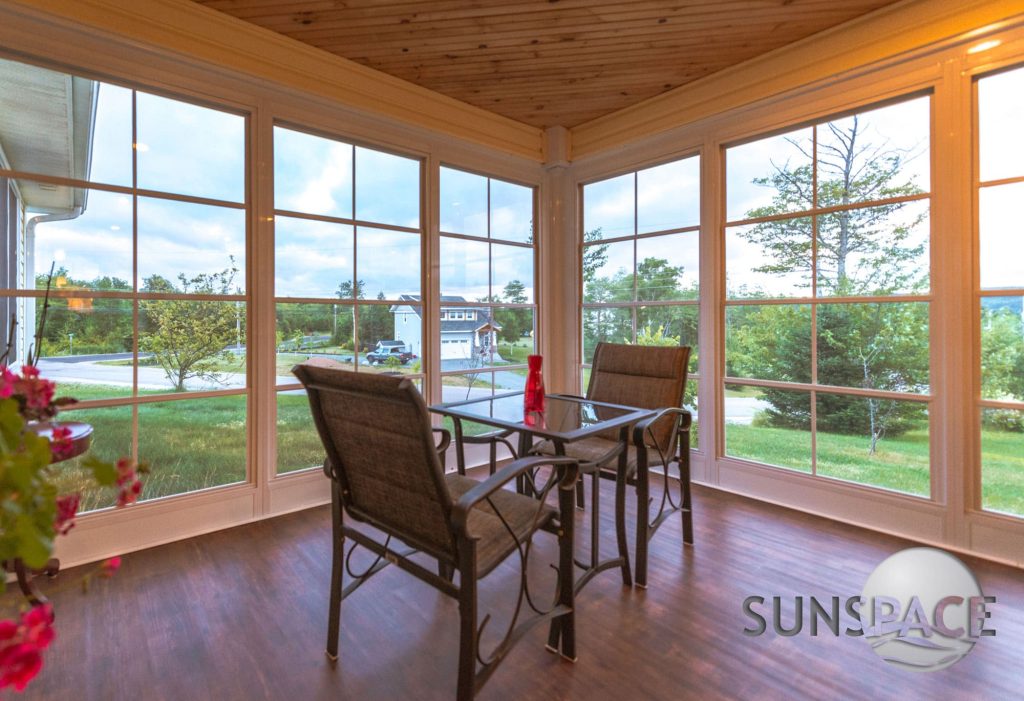
You’ve got a porch that sits unused for at least five or six months a year. It’s too hot in August, too cold in January, too buggy in May, and Oklahoma’s spring storms make it impractical more often than not. But the bones are already there. The roof is attached, the floor is solid, and the space has real potential. So why not do something about it?
Converting an existing porch into a year-round living space is one of the most practical home improvement projects an Oklahoma homeowner can take on. You’re not adding square footage from scratch. You’re activating space you already own. And done right, it turns a seasonal spot into a room you actually use every single month.
This article walks through what the process looks like, what decisions you’ll face, and what to expect along the way. If you’d like to talk through your specific situation early, feel free to reach out to a local specialist for a porch conversion in Oklahoma before committing to anything.
What “Converting a Porch” Actually Means
A porch conversion means enclosing an open or screened porch with windows, insulated walls, and sometimes a climate control solution to make it comfortable in all seasons. The end result can range from a three-season room (comfortable spring through fall) to a fully conditioned four-season space that functions like an interior room.
The existing structure gives you a head start. You already have a roof, a floor, and at least one wall attached to the house. What you’re adding is the enclosure system that closes in the remaining sides, manages temperature, and brings the space up to a livable standard.
Start with a Structural Assessment
Before any design conversations happen, the existing porch needs to be evaluated structurally. This is a step a lot of homeowners skip in early planning, and it’s the one that matters most.
Here’s what typically gets assessed:
- Floor load capacity. Porch floors built for outdoor furniture may not be rated to handle year-round furnishings, people, and the added weight of an enclosure system. A contractor will check whether the framing can support the additional load.
- Post and beam condition. Wood posts and beams are prone to rot and insect damage, especially in Oklahoma’s humidity. Any structural compromise here needs to be addressed before enclosure work begins.
- Roof condition and pitch. The existing roof needs to be weather-tight and properly pitched for drainage. Flat or low-pitch roofs often need attention before an enclosure is practical.
- Foundation and ledger attachment. How the porch connects to the house affects how the enclosure system gets anchored. A loose or deteriorated ledger is a problem that shows up later if it’s not caught now.
None of this is meant to be discouraging. Most porches are in decent shape and pass without major issues. But skipping this step and finding structural problems mid-project costs a lot more than finding them before work starts.
Choosing the Right Enclosure System
This is where the biggest decisions happen, and the right choice depends on how you plan to use the space. There are a few main directions to go.
Three-Season Enclosure
A three-season room uses vinyl window systems that slide, stack, or fold to open the space completely in mild weather and close it up tightly when conditions get rough. It’s not designed for extreme cold, but it extends your comfortable outdoor season significantly.
WeatherMaster vinyl window systems are a popular choice for this application. They provide up to 75% ventilation when open, block bugs and wind when closed, and use ViewFlex vinyl glazing that’s more durable than glass and available in multiple tints. This system works especially well on porches with an existing roof that’s already doing the weather-protection job.
Four-Season Enclosed Sunroom
A fully insulated four-season enclosure involves thermal walls, insulated roof panels, high-efficiency glazing, and integration with your home’s HVAC or a standalone heating and cooling unit. This is the more involved conversion, but it produces a room that’s genuinely comfortable in January and August both.
Model 200, 300, and 400 sunrooms represent different levels of insulation and thermal performance. The Model 400, for example, uses high-density 3-inch foam walls with commercial-grade thermal breaks and Low-E Argon glass to hold temperature efficiently. If you’re in Oklahoma City or Tulsa, where summer heat index regularly exceeds 100°F, the thermal performance of your enclosure system is not a detail to cut corners on.
Screen Room Upgrade
Some homeowners start with a screen room and upgrade later. A screen room installation is a lighter-touch enclosure that keeps bugs out and provides shade without full weatherproofing. It’s a smart intermediate step if budget is a constraint right now, especially since some systems are explicitly designed to upgrade from a three-season to a four-season configuration down the road.
Key Decisions to Make Before You Start
Once you’ve confirmed the structure is sound and you know which enclosure direction fits your needs, a few other decisions shape the project significantly.
| Decision | What it Affects |
| Window system type | Ventilation, thermal performance, and view |
| Roof panel choice | Heat gain, light quality, and noise during rain |
| Flooring | Comfort, durability, and compatibility with heating |
| Entry door style | Traffic flow and weather sealing |
| Color and frame finish | Curb appeal and matching the existing home exterior |
Colors for aluminum framing typically include white, driftwood, bronze, black, and gray. Getting this right against your home’s existing trim makes the finished room look like it belongs rather than like an addition that was bolted on.
What the Project Process Looks Like
A porch conversion isn’t a weekend project, but it’s also not as disruptive as a full addition. Most of the work happens on the exterior, which means your home’s interior routine stays largely unaffected.
The process generally flows through site assessment, design and product selection, permit applications where required, material fabrication, and then installation. Because many enclosure systems involve custom-manufactured components built to your porch’s exact dimensions, there’s a lead time between when you finalize the design and when installation crews arrive. Plan for the overall timeline to span several weeks from decision to completion.
One thing worth noting for Oklahoma homeowners: wind load requirements matter here. Any enclosure system needs to be engineered for local wind conditions, and permits in many municipalities require documentation that the structure meets those standards. A local contractor who’s familiar with Oklahoma building codes is worth a lot in this step.
Will It Add Value to Your Home?
Almost certainly, yes. Enclosed porches and sunrooms consistently rank among the home improvements with strong return on investment. A finished, functional year-round space adds livable square footage that buyers can see and understand. An open porch converted to a weather-tight room is often the first thing buyers notice and comment on during a showing.
The bigger factor, honestly, is the value you get while you’re still living there. A room you can use twelve months a year instead of four is a meaningful quality-of-life improvement. That’s hard to put a number on, but it’s real.
Frequently Asked Questions
Do I need a permit to convert my porch into a sunroom in Oklahoma?
In most cases, yes. Adding insulated walls, windows, and a conditioned enclosure to an existing structure typically triggers a building permit requirement. The specific rules vary by city and county. A local contractor familiar with Oklahoma municipalities can handle the permit application process on your behalf.
Can I convert a screened porch into a four-season room?
Yes, and it’s one of the most common starting points. The existing screen structure is usually removed and replaced with an insulated enclosure system. Whether the existing framing can support the upgrade depends on its condition and how it was originally built.
How long does a porch conversion take from start to finish?
The overall timeline spans several weeks and includes design, material fabrication, permitting, and installation. Because enclosure components are often custom-built to your porch’s dimensions, there’s a lead time involved before crews arrive on site. Your contractor can give you a realistic schedule after the initial assessment.
Will my existing floor work for a year-round space?
It depends on the material and condition. Concrete slabs are usually fine. Wood decking may need reinforcement or replacement if it’s deteriorating. For a fully conditioned space, you’ll also want to think about whether the floor is insulated underneath, since an uninsulated floor over a crawl space or open air loses a lot of heat in winter.
Can I heat and cool a converted porch with my existing HVAC?
Sometimes, but not always. It depends on whether your current system has the capacity to handle additional square footage and whether ductwork can be extended to the new space. Mini-split systems are a popular solution for converted porches because they don’t require ductwork and can be sized precisely for the space.
Ready to Take the Next Step?
Porch conversion projects work best when they start with an honest conversation about what you want the space to do. Sunspace by Express Sunrooms of Oklahoma works with Oklahoma homeowners across all stages of this process, from the initial structural review through final installation. Reach out to speak with a local specialist who can assess your specific porch and help you figure out which direction makes the most sense.